When we first met, our relationship wasn’t the easiest. He was quiet and introverted, and I was more outgoing, and we shouldn’t have worked, but we did. It took work, but it was worth it, and when we got married, I knew we could have a good life together, especially once we started our own family. We’d both come from good parents; we wanted to be the same for our own kids.
That was when the trouble began. It was slow. It took years to come to terms with it because I didn’t want to accept it at first. Neither of us did. I lost our first baby. Then I lost our second. And then the doctors finally told us about recurrent pregnancy loss, just like the word cancer. It was just a name for a bunch of different causes that could make a woman lose a baby, and they weren’t sure what was wrong with me. We did the tests and exams; it wasn’t polyps, fibroids, a septate uterus, or any other things they knew how to find and treat. So we tried again, and I lost a third. And we should have stopped there, but we didn’t, and it took a fourth loss before I finally accepted that I didn’t want to do this anymore; I didn’t want this feeling that got worse and bigger every time.
What challenges did they face regarding surrogacy?
They faced significant challenges regarding surrogacy, primarily due to financial limitations and a medical condition that prevented natural conception. Gestational surrogacy in the United States was too expensive, despite having white-collar careers. This led to emotional struggles and a feeling of being trapped, as they desired a biological child but couldn't afford the US options or risk further attempts due to the medical condition.
We struggled for a while with the idea that this was it. This was our lives now, and we’d have to accept it and move on. I couldn’t. I know it wasn’t my fault, but I still couldn’t stop feeling like this wasn’t just something we couldn’t have; this was an indictment of me as a person and woman. Trying to accept it was eating me alive.
How did they find a surrogacy solution abroad in Georgia?
They found a surrogacy solution abroad in Georgia by exploring options beyond their borders, discovering Georgia's progressive surrogacy laws, and partnering with a local agency. This agency facilitated finding a surrogate mother, Tamar, and guided them through the IVF procedure, including PGD genetic screening for Duchenne muscular dystrophy, which was affordable due to savings from choosing Georgia. The agency also handled legal arrangements, ensuring custody and US citizenship for their daughter, Jessica, born through this process.
We loved what we saw. The facilities were modern, and they helped us to find Tamar, our new friend, partner, and surrogate mother, on the journey. Together with her, the agency introduced us to the facility that would be handling the IVF procedure, but we decided to invest in some screening as well because Duchenne muscular dystrophy ran in my husband’s family. We went with the PGD option, which was worth it because they found the disease in some of the eggs. Because of the extra savings that came from coming to Georgia, we were able to take that extra precaution, and it was such a relief going into the IVF procedure knowing that we had done the best we could. We had the certainty of knowing our baby was going to be born without muscular dystrophy.
The agency guided us through everything, from finding Tamar to helping us negotiate and finalize the surrogacy arrangements and preparing all the legal documents so that Georgian law was clear on our child and our custody. They also took care of Tamar, making sure she got what she needed from us so that she could be safe and healthy while bringing our baby into the world. We visited a few times to check on the progress, and it was always a pleasure. The agency was friendly, Tamar was wonderful, and Tbilisi kept us busy with good food and sights to see. We loved the restaurants as much as taking in the history of the country, but there was also great nightlife to be had, so it hardly felt like a chore to travel there.
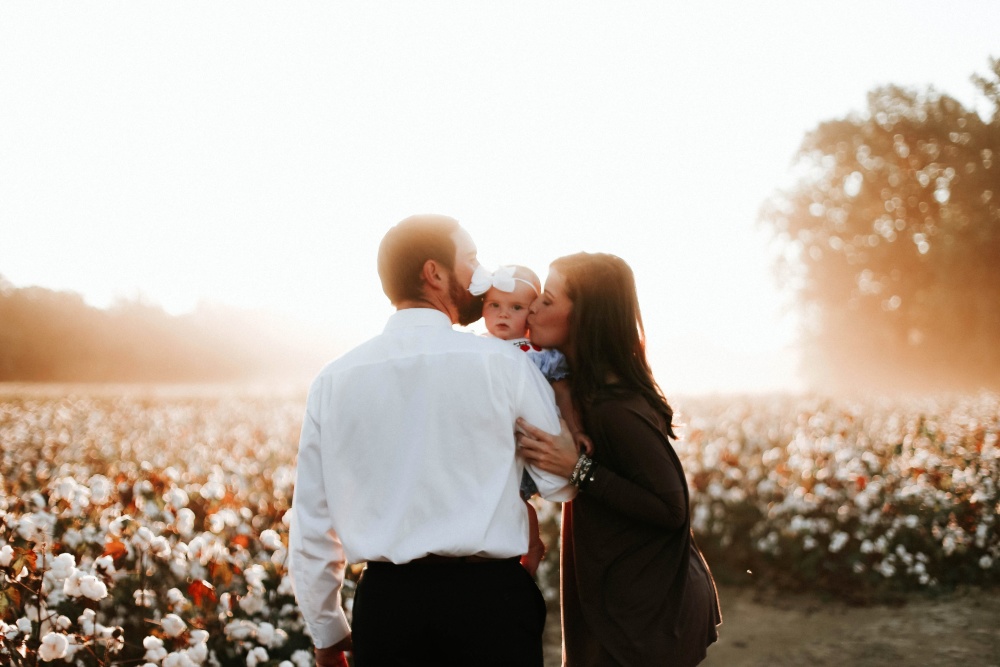
But for us, the experience was something that filled our hearts and our souls. After so much loss and pain, we flew down to be with Tamar, and I held my baby for the first time. We named her Jessica, and she was perfect. We will always be grateful for finding the agency in Georgia that helped us, and they made sure we did everything right ahead of time so that when we boarded that plane with Jessie, she was ready to be a citizen of the United States.
