
Surrogacy is the practice of another woman medically evaluated as suitable agreeing to become pregnant for a hopeful couple that cannot easily conceive a child of their own. It’s an age-old practice that is even mentioned in the Christian Bible as a way for some key figures to carry on their family legacy.
However, as old as surrogacy is, there have been a lot of changes in the way this method is carried out, especially in the 21st century. For example, centuries past, the only way for a successful surrogacy to occur was the “old fashioned way,” where a man had to have sexual intercourse with the surrogate mother candidate in order to fertilize an egg so an embryo could grow into a baby.
This, unsurprisingly, creates emotional complications for many couples, as the reproductive act is often also considered an act of extreme emotional intimacy reserved for people with strong relationship bonds. In the modern era, there are now alternatives to the traditional act of sexual intercourse, and artificial insemination procedure in surrogacy is now what is most commonly practiced. But how does surrogacy work with artificial insemination?
How Does Artificial Insemination (IUI) Work as a Fertility Treatment in Surrogacy?
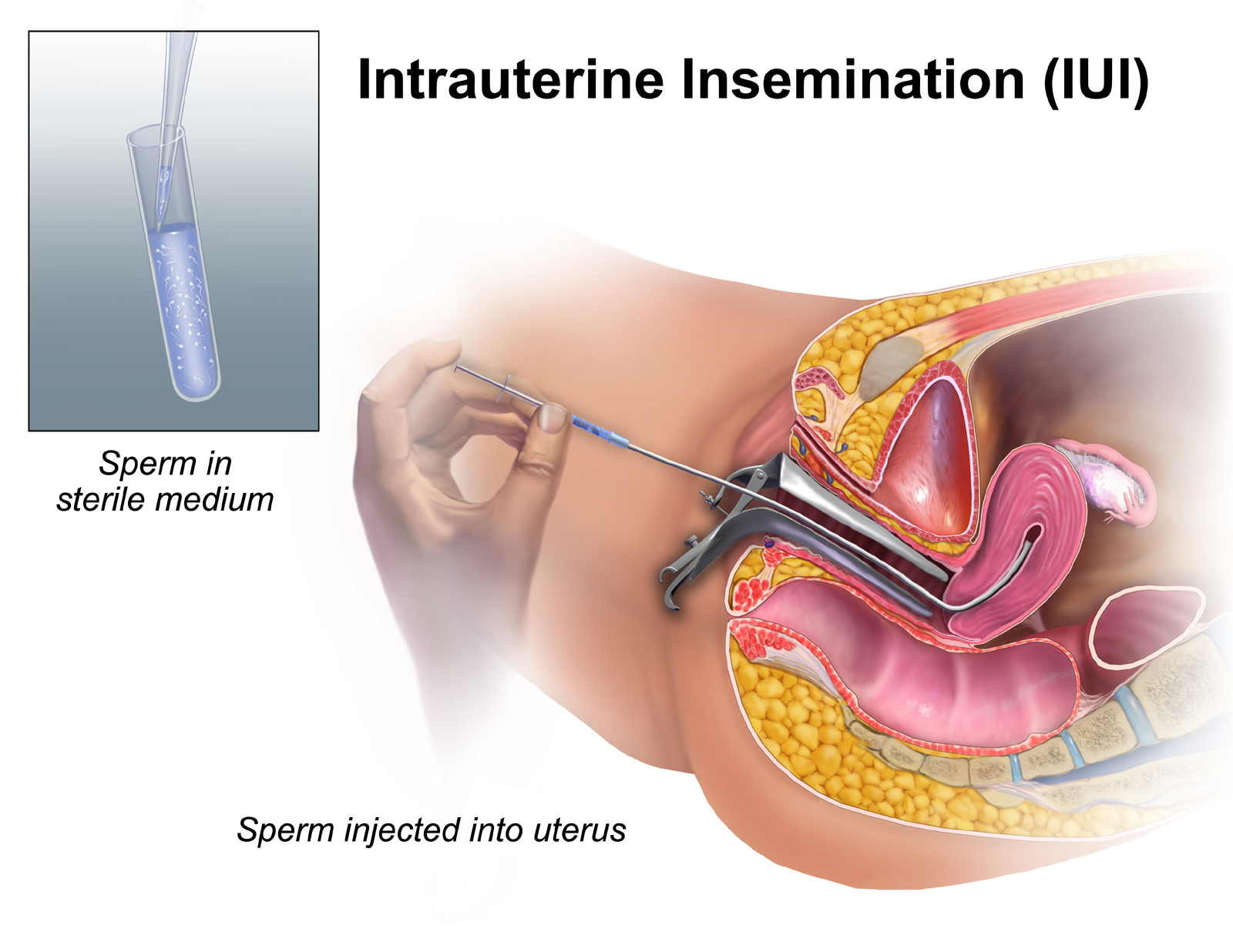
Artificial insemination, commonly known as intrauterine insemination (IUI), works by directly depositing prepared sperm into a woman's uterus using a syringe and catheter, bypassing conventional sexual intercourse. This technique was historically used to overcome fertility challenges like low sperm count or weak sperm by placing them closer to the egg. In surrogacy, IUI offers a clinical procedure that avoids emotional complications, and while it can be attempted at home, professional agency involvement often yields better results due to specialized procedures like sperm washing and medical monitoring.
In the past, artificial insemination was largely used as a fertility treatment. In some cases, a man would be diagnosed as having a low sperm count or even “weak” sperm that had difficulty moving the required distance to seek out and fertilize an egg. The IUI technique solved this issue by depositing the sperm much deeper into the uterus, placing the sperm much closer to the waiting egg, and thus allowing smaller amounts of sperm or less motile sperm to overcome their challenges and successfully fertilize an egg.
In this case, the IUI technique is perfect for a more clinical procedure for impregnating a surrogate mother candidate that no longer requires people to complicate a professional relationship with potential emotional intimacy issues. However, while the IUI process is now commonly practiced throughout the world—and can even be attempted at home with the right training and equipment—there are still many advantages to having this insemination procedure in surrogacy done by professionals at an agency.
Sperm washing is a crucial procedure that dramatically increases the chances of successful fertilization in insemination procedures. This technique involves using a centrifuge to separate healthy sperm from less healthy sperm and other waste materials (debris like enzymes, proteins, and fluids). The desired healthy sperm are then added to a human tubal fluid (HTF) for nourishment and preservation. This process significantly reduces the possibility of lower-quality sperm fertilizing an egg, increases successful fertilization rates, and removes chemicals that might cause discomfort for women upon insertion.
Why is Sperm Washing Important in Insemination Procedures?
A crucial procedure that dramatically increases the chances of successful fertilization is a technique colloquially referred to as “washing sperm.” With normal ejaculation, there is healthy sperm, less healthy sperm, and “debris,” which is a mix of enzymes, proteins, and additional fluids that have no bearing on the fertilization process.
Medical monitoring significantly enhances the success rate of IUI procedures in surrogacy by ensuring the procedure is administered during the surrogate mother's most fertile period. While a surrogate can track her cycle, a professional surrogacy agency provides attentive medical supervision through tools like blood tests, ovulation kits, and ultrasound testing. These methods closely monitor ovulation conditions, medically confirming the optimal time for the IUI procedure to maximize fertilization chances.
How Does Medical Monitoring Enhance IUI Success in Surrogacy?
Another advantage of having a surrogacy agency conduct the IUI technique is the increased chance of success due to medical supervision. While it is certainly possible for a surrogate mother to use a personal calendar and attempt to calculate when she is at her most fertile period, a good surrogacy agency can greatly enhance this process with attentive medical supervision.
Artificial insemination (IUI) is a modern necessity for surrogacy because it is the safest, most effective, and efficient method to ensure a high rate of fertilization success. Modern IUI techniques are professional and clinical, eliminating the complications and emotional intimacy issues inherent in older, traditional methods involving sexual intercourse. With current IUI procedures, hopeful families working with a surrogate mother can expect professional and timely procedures, monitoring, updates, and results, provided they research and engage with a qualified surrogacy agency that understands their specific needs.
Why is Artificial Insemination (IUI) a Modern Necessity for Surrogacy?
Artificial insemination is the safest—and perhaps more importantly—the most effective and efficient way to ensure a high rate of success for fertilization in a surrogacy situation. Modern techniques are professional and clinical and remove layers of complication that older, traditional methods of sexual intercourse unavoidably introduced into surrogacy scenarios.
With today’s IUI techniques, hopeful families that want to work with a surrogate mother can expect professional and timely procedures, monitoring, updates, and results as long as they are willing to research how surrogacy works to facilitate this process. It is just a matter of being diligent about research, reaching out to the right, qualified surrogacy agency, and ensuring that, when working with an agency in another country, both communication and specific surrogacy needs are understood and addressed.
